DISCOVER QUALITY SKINCARE | DERMAVEEN


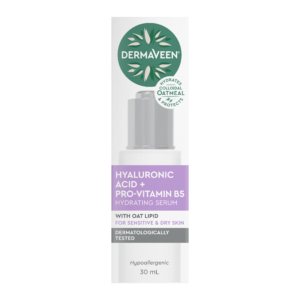
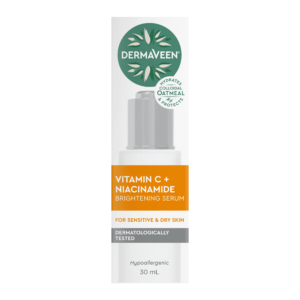
Introducing the NEW FACIAL SERUMS from DermaVeen!
Formulated with OatActiv+ and enriched with extra luscious ingredients to HYDRATE & BRIGHTEN your sensitive skin – your daily boost for a healthy, radiant glow!
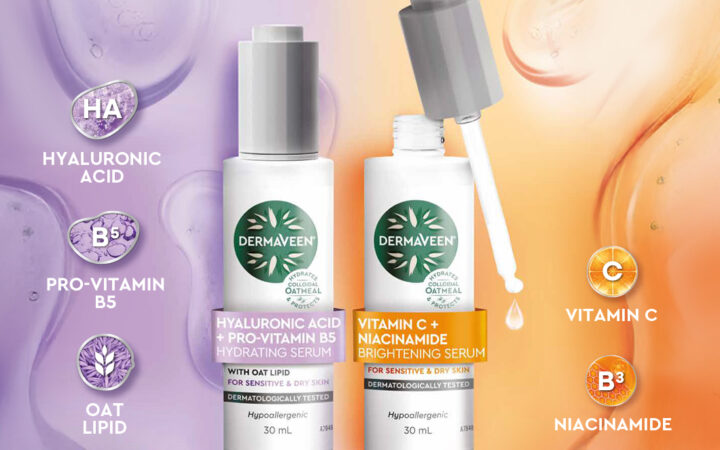

The benefits of OATACTIV+®
OatActiv+ is a key ingredient across the DermaVeen range. This multi-action ingredient provides six skin benefits: hydrates, prevents, soothes, protects, balances and supports.
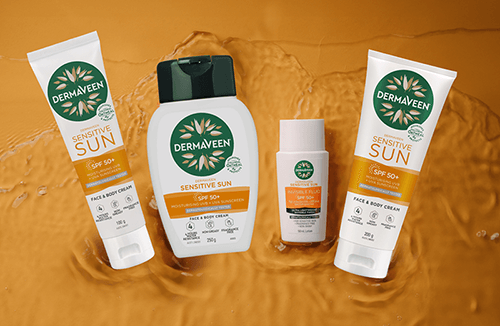
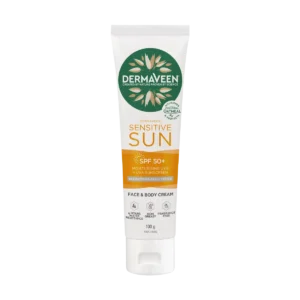
Sun Range
Sun protection that soothes and hydrates dry, sensitive skin. The highest SPF for sensitive skin*.
*Highest label claim allowed as per AS:NZS 2604:2021; Very High, SPF 50+, Broad Spectrum.
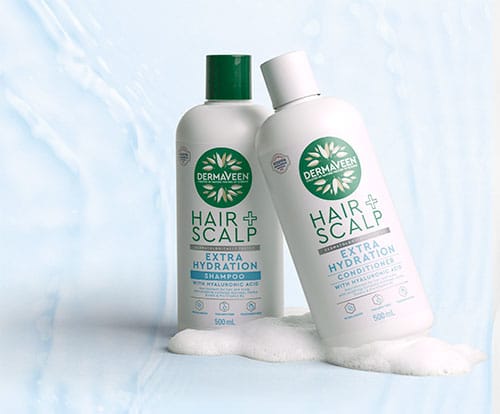
Hair
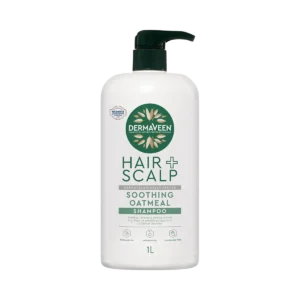
Specially formulated for sensitive scalps, the hair range offers tailored solutions for normal, dry and oily hair, ensuring both your hair and scalp receive the care they deserve.
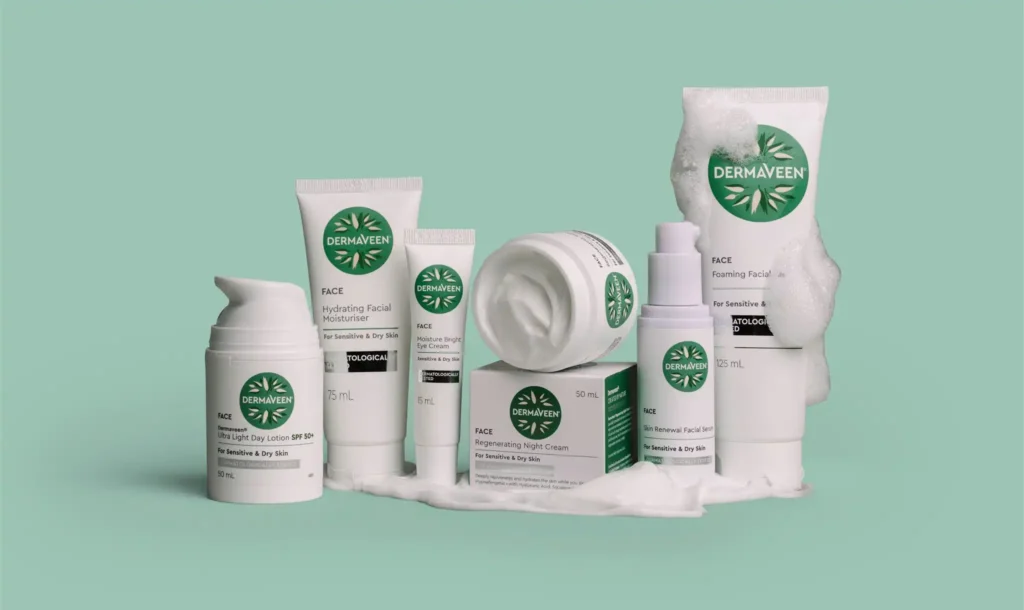
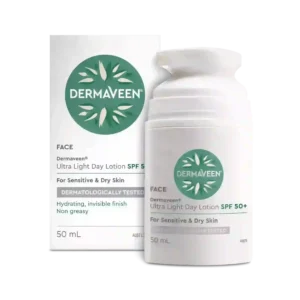
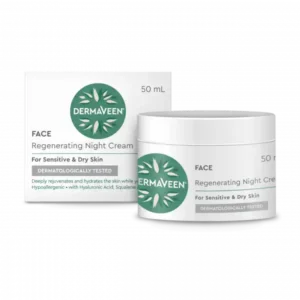
Face Range
Daily face regime specially formulated for dry & sensitive skin.
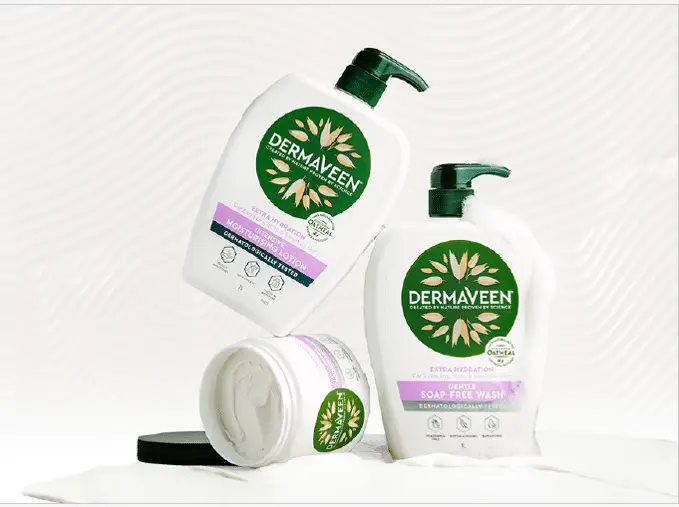
Extra Hydration range
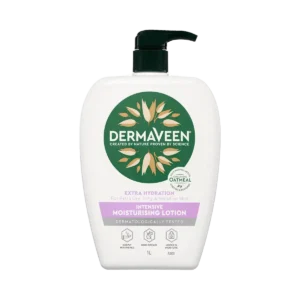
Perfect for providing intense moisturisation for dry to extra dry skin.
FOLLOW US ON INSTAGRAM @DERMAVEEN

Hydrated skin starts here! 💧
A simple 2-step routine to help calm, soothe and hydrate sensitive skin.
Designed for normal to dry, sensitive skin, discover the Daily Nourish range.
Real results from real routines 💚
Gentle, hydrating skincare to help keep your sensitive skin looking and feeling its best.
Radiant skincare for your face ✨
Created with 100% natural colloidal oatmeal, proven to help soothe, hydrate and protect the skin. 🌿
A gentle, everyday routine made for sensitive skin.
If you haven’t tried us yet, this is your sign ✨
Gentle, nourishing formulations so your skin feels calm, hydrated and naturally glowing.
Are you looking for gentle care for relief of mild eczema symptoms?
In May, we recognise Eczema Awareness Month 🤍
Our Sensitive Relief range is formulated to help soothe your skin and your worries.
Our simple daily regime keeping @the.life.of.laura skin in check 💚
Keep your little one’s delicate skin happy with DermaVeen Baby💚 #realpeople
Sensitive skin? Try DermaVeen, Katrina loves how gentle yet effective it is in hydrating her skin!
Effortless skincare that works! DermaVeen’s NEW Hydrating Serum hydrates & renews sensitive skin.
If you haven’t tried us yet this is your sign! Gentle, nourishing and simple formulations that your skin will thank you for #realpeople
Finish your skincare routine right with DermaVeen Sensitive Sun Invisible Fluid SPF50+ ☀️
Always read the label and follow the directions for use. Sunscreen is only one part of sun protection. Avoid prolonged high-risk sun exposure. Reapply frequently.
Summer isn`t over! Stay protected with DermaVeen Sensitive Sun SPF50+
Always read the label and follow the directions for use. Sunscreen is only one part of sun protection. Avoid prolonged high-risk sun exposure. Reapply frequently.
Is love in the air between DermaVeen and your sensitive skin? 💚
Summer essential 🏖️ DermaVeen Sensitive Sun SPF50+
Always read the label and follow the directions for use. Sunscreen is only one part of sun protection. Avoid prolonged high-risk sun exposure. Reapply frequently.
Put your skin first with DermaVeen Sensitive Sun SPF50+
Always read the label and follow the directions for use. Sunscreen is only one part of sun protection. Avoid prolonged high-risk sun exposure. Reapply frequently.
An essential during summer, DermaVeen Sensitive Sun SPF 50+ is 4hrs water resistant, made for sensitive skin, and perfect for the whole family 💚
Always read the label and follow the directions for use. Sunscreen is only one part of sun protection. Avoid prolonged high-risk sun exposure. Reapply frequently
Protect your skin with DermaVeen Sensitive Sun SPF50+ even on cloudy days!
Always read the label and follow the directions for use. Sunscreen is only one part of sun protection. Avoid prolonged high-risk sun exposure. Reapply frequently.
Effortless, affordable skincare that works! Nourish your skin without the worry of irritation!
Always read the label and follow the directions for use. Sunscreen is only one part of sun protection. Avoid prolonged high-risk sun exposure. Reapply frequently.
Have fun in the sun knowing your skin is protected with DermaVeen Sensitive Sun SPF 50+ @thegirlsandus
Always read the label and follow the directions for use. Sunscreen is only one part of sun protection. Avoid prolonged high-risk sun exposure. Reapply frequently.
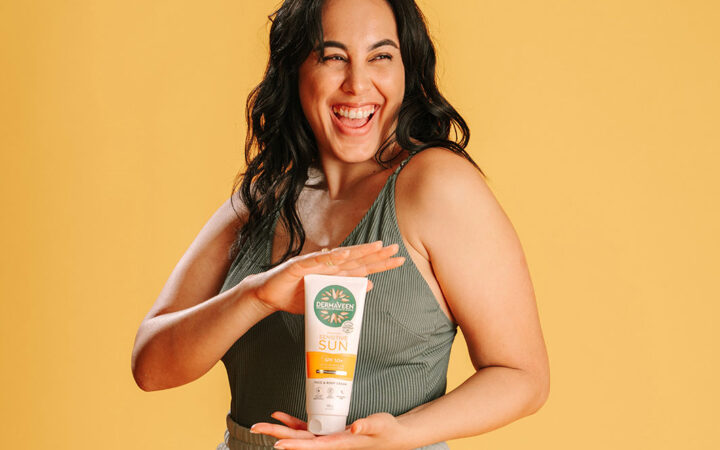
Sun cream Products
Be sun smart with DermaVeen, providing the highest level of SPF for sensitive skin.*
*Highest label claim allowed as per AS:NZS 2604:2021; Very High, SPF 50+
HOW TO CARE FOR SENSITIVE, DRY, ITCHY, FLAKY SCALPS
Learn more to understand the ins and outs of scalp health.

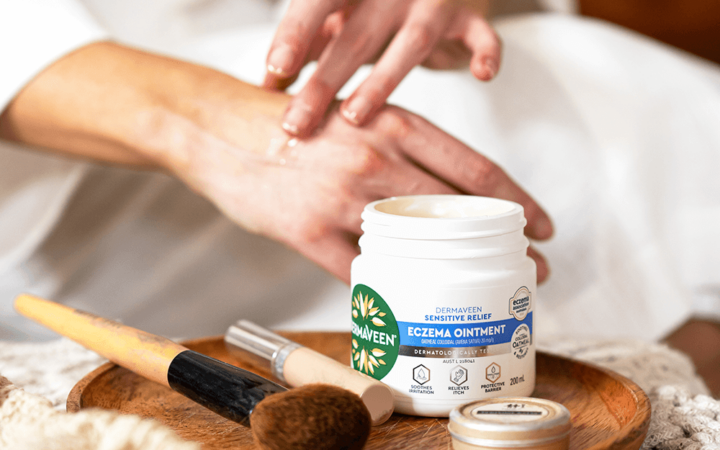
Managing Eczema-Prone Skin
Tips on how to manage eczema-prone skin and the different products available to help.
Can you use regular sunscreen on your face?
Learn more about what to look out for when choosing a sunscreen for your face.


Baby bathing and skincare routine
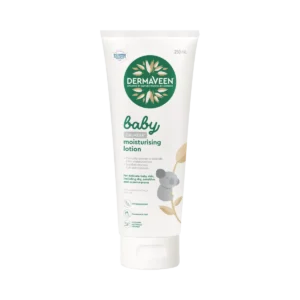
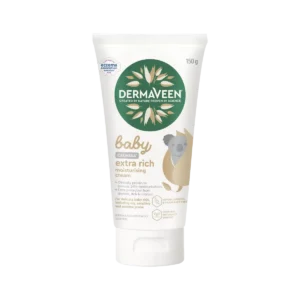
Take extra special care of your baby’s extra special skin with this easy-to-follow baby bathing and skincare routine – and the Dermaveen® Baby Calmexa® range.
Building a daily skincare routine
Cleanse, Moisturise and Protect your dry and sensitive skin, with DermaVeen’s daily skincare regime.

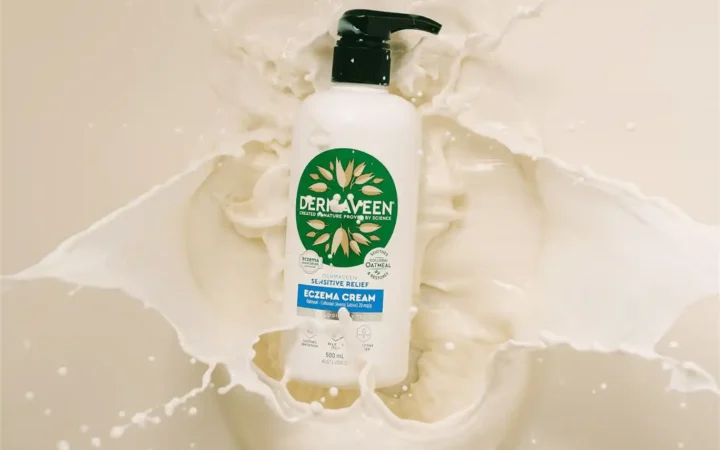
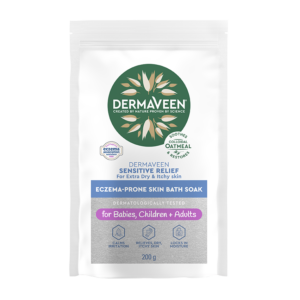
Eczema-prone skin
Moisturise, Moisturise, Moisturise! It’s all about helping your skin do its job.
Understanding skincare ingredients
Explore DermaVeen’s skincare ingredients for your dry, itchy, sensitive skin.
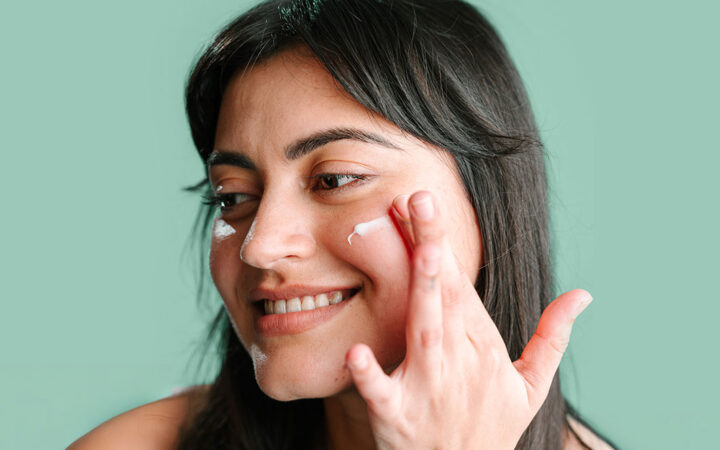
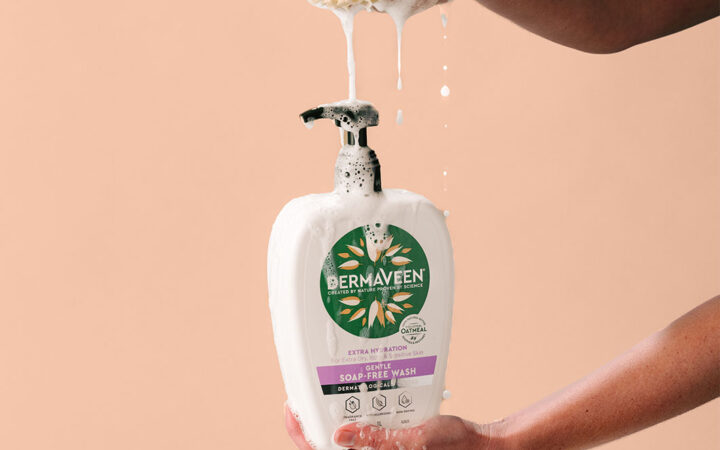
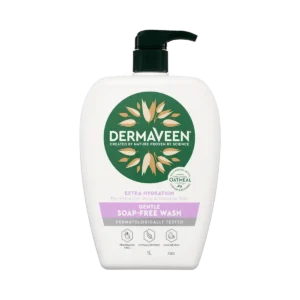
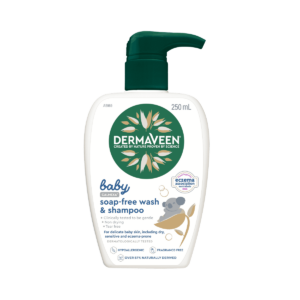
Soap-free Body Wash
Searching for a body wash that won’t strip your skin of moisture? Check out the DermaVeen body wash products for dry, sensitive and eczema-prone skin.
All about moisturisers
Everything you need to know about moisturisers for dry, sensitive and eczema-prone skin.


Which Product Is Right For You?
Use our product filter to find the right product for you based on your skin need and skin type.